
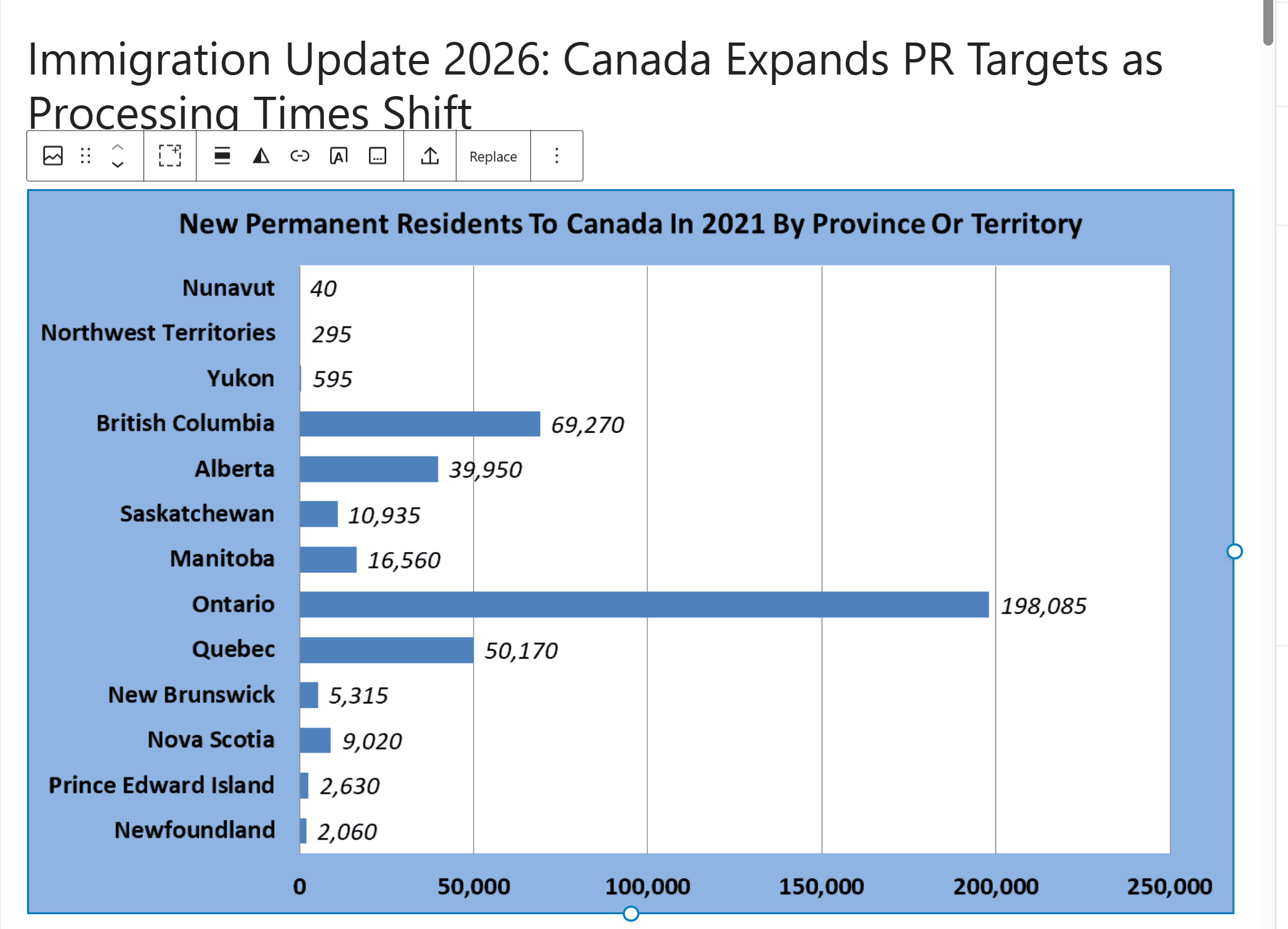

Canada’s immigration system is entering a new phase in 2026, with higher permanent resident targets, changing processing times, and increased focus on converting temporary residents into permanent settlers.
Immigration, Refugees and Citizenship Canada (IRCC) says the goal is to support economic growth, reduce labour shortages, and stabilize long-term population planning.
Canada’s Permanent Resident Targets Continue to Rise


Canada has steadily increased its immigration intake over the last several years.
Permanent Resident Admission Targets
| Year | PR Admissions Target |
|---|---|
| 2023 | 465,000 |
| 2024 | 485,000 |
| 2025 | 500,000 |
| 2026 | 510,000 |
📈 2026 marks the highest planned immigration level in Canadian history.
Government officials say the increase is necessary to:
- Fill critical job shortages
- Support healthcare and skilled trades
- Offset Canada’s aging population
Processing Times in 2026: What Applicants Should Expect
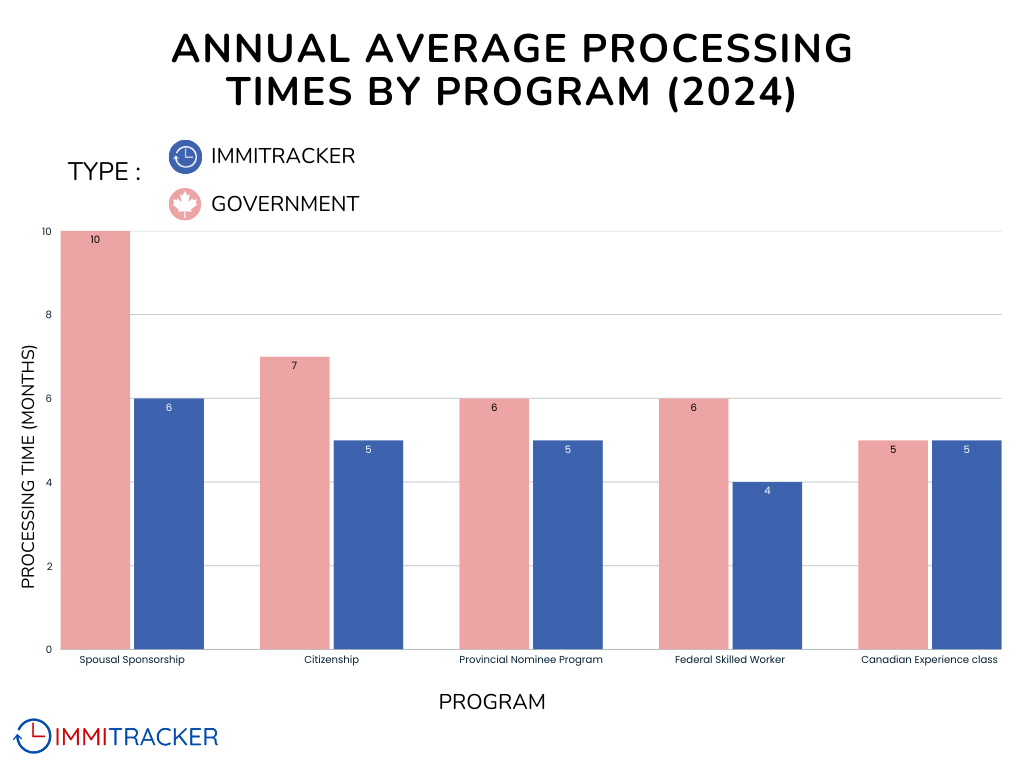
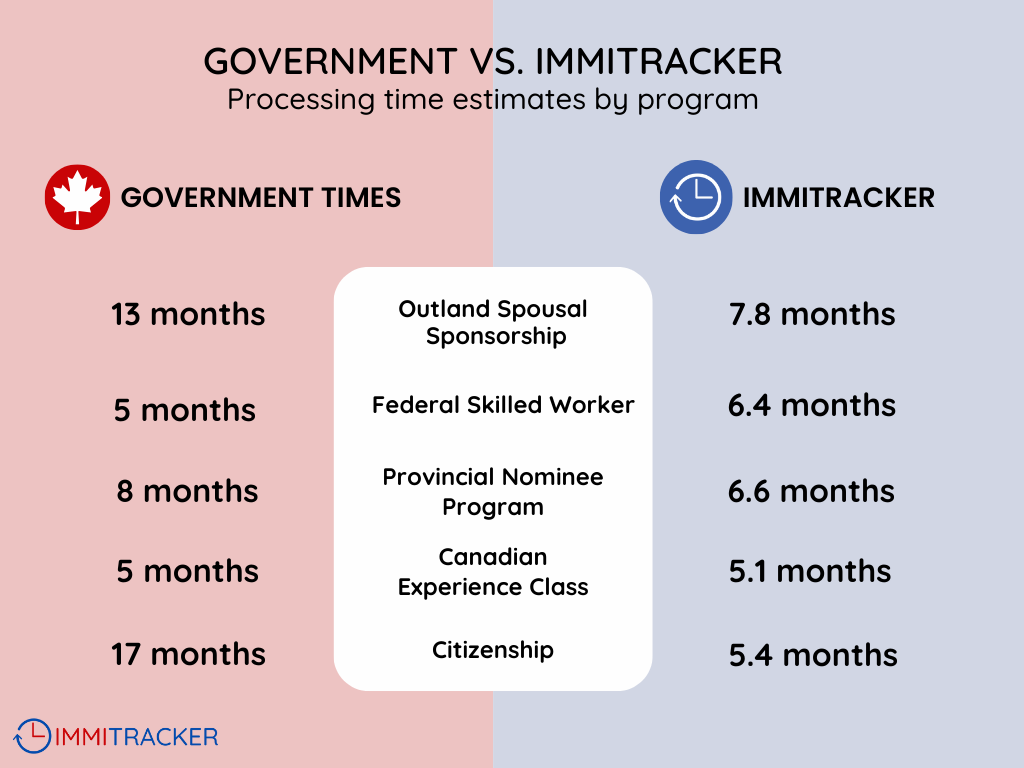
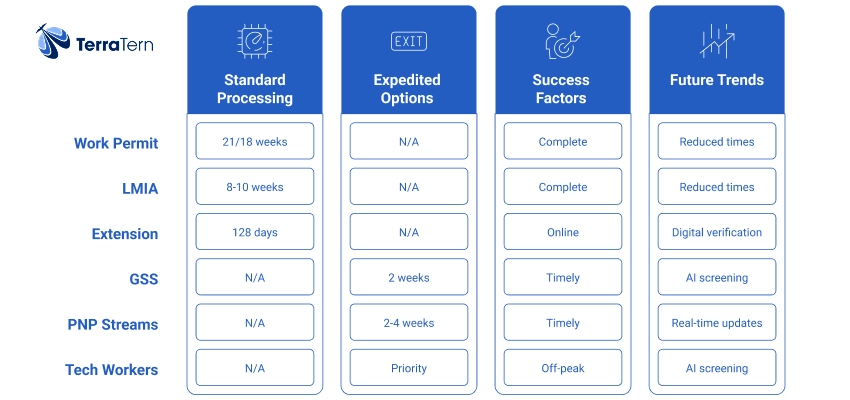
Processing times are not uniform across all immigration streams.
Faster in 2026
- Express Entry (Canadian Experience Class)
- Provincial Nominee Programs linked to Express Entry
- Study permit extensions inside Canada
- Visitor visas processed through automation
Slower or Uncertain
- Family sponsorship applications outside Canada
- Refugee resettlement programs
- LMIA-based work permits
IRCC has expanded AI-assisted application triage, allowing lower-risk files to be processed faster.
Most Popular Immigration Pathways in 2026


Express Entry
- Category-based draws dominate
- Healthcare, trades, and STEM occupations prioritized
- CRS cutoffs fluctuate but remain competitive
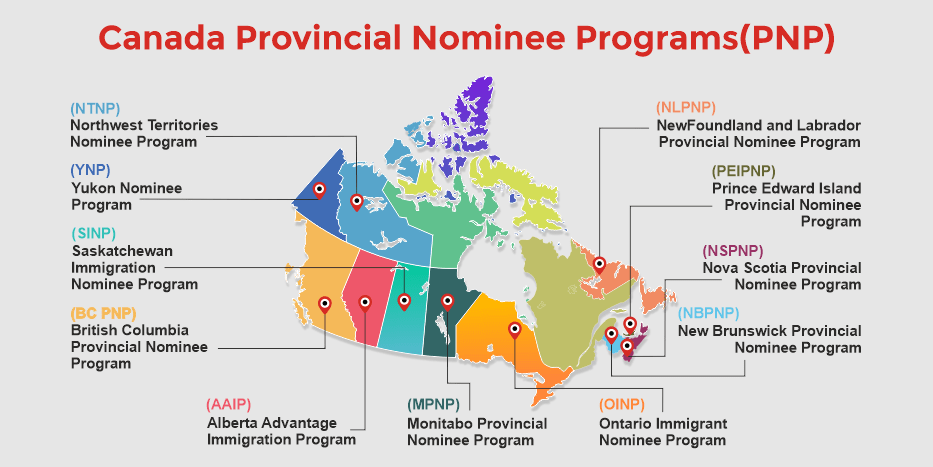
Provincial Nominee Program (PNP)
- Ontario, Alberta, and British Columbia issue the most nominations
- Rural and Francophone streams expanded
- Lower CRS requirements compared to Express Entry
Family Sponsorship
- Spousal sponsorship remains a priority
- Parents and Grandparents Program continues with annual caps
Temporary Residents vs Permanent Residents: A Key Shift
One of the biggest changes in 2026 is Canada’s approach to temporary residents.
The government is slowing new temporary entries while increasing pathways that allow:
- International students
- Work permit holders
- Graduates
to transition into permanent residency.
📊 Suggested graph for this section:
Bar chart comparing Temporary Residents vs PR Admissions (2023–2026)
Housing and Immigration: Ongoing Debate
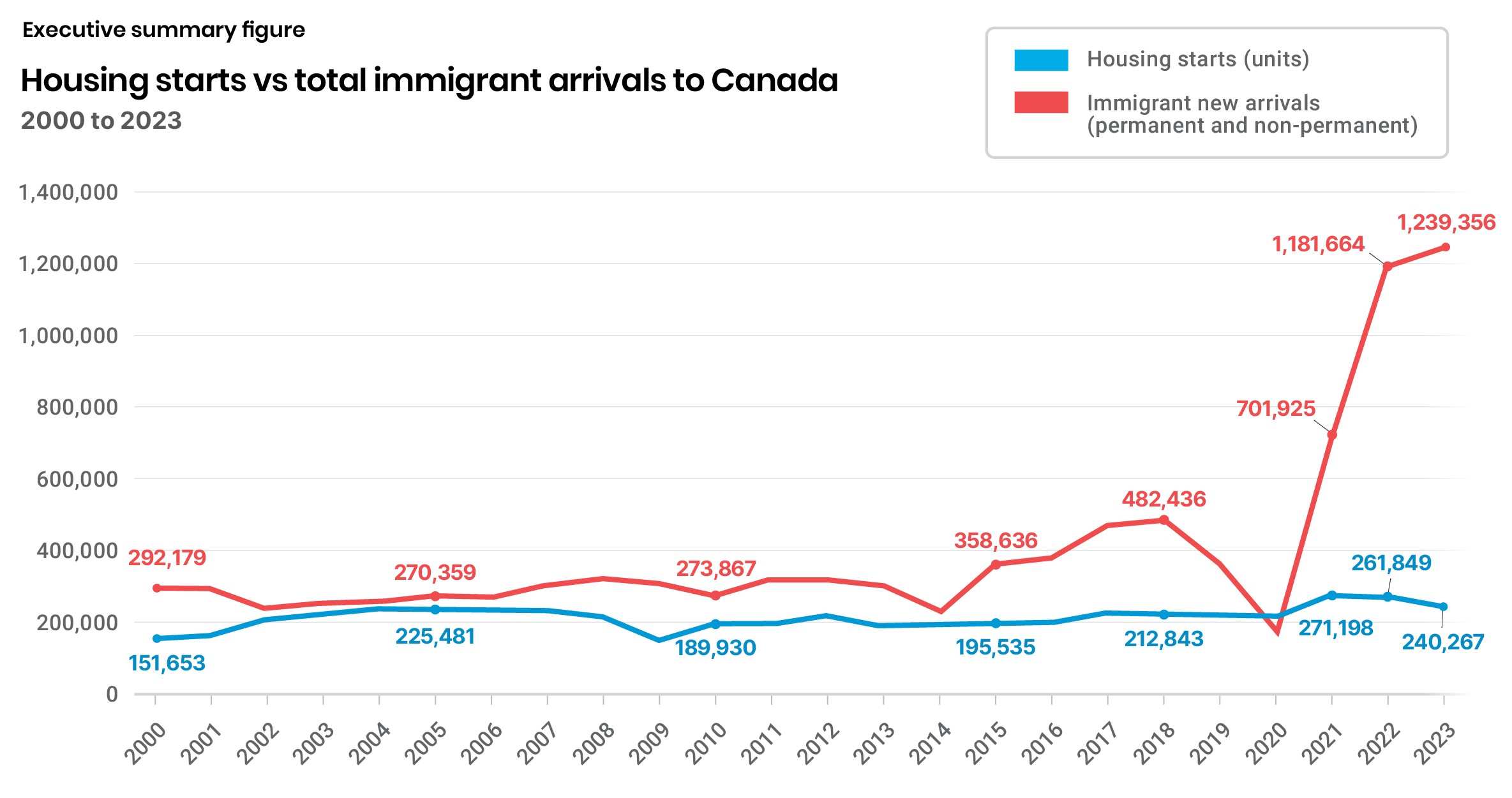

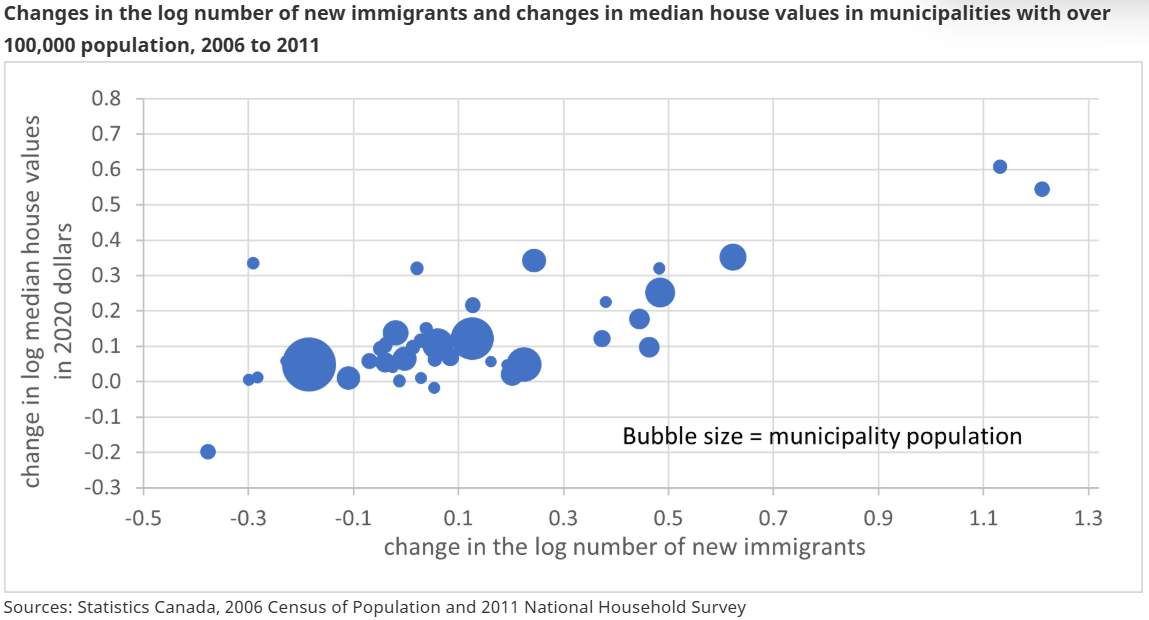
Immigration continues to be discussed alongside housing affordability.
Federal officials state that housing supply limitations — not immigration — are the primary issue, and have announced measures such as:
- Faster housing approvals
- Employer-linked housing for newcomers
- Incentives for settlement outside major cities
What to Expect Next
Looking ahead, applicants should expect:
- More targeted Express Entry draws
- Increased in-Canada PR pathways
- Stricter oversight of international student institutions
- Faster digital decision-making for low-risk applications
Final Takeaway
Canada remains one of the most immigration-friendly countries in the world in 2026, but competition is increasing.
Applicants are advised to:
- Monitor CRS score trends regularly
- Use Provincial Nominee Programs strategically
- Apply early and avoid incomplete submissions
📌 Immigration experts emphasize that planning and timing matter more than ever.
🔎 Related Topics:
- Canada Work Permit Updates 2026
- Express Entry CRS Score Trends
- Provincial Nominee Programs Explained