


Canada has officially outlined its immigration priorities for the coming years, and the 2026–2028 Immigration Levels Plan signals major opportunities for skilled workers, international students, and families planning to settle in Canada.
With labor shortages continuing across healthcare, construction, technology, and skilled trades, immigration remains a key pillar of Canada’s economic strategy.
Canada’s Immigration Targets for 2026–2028

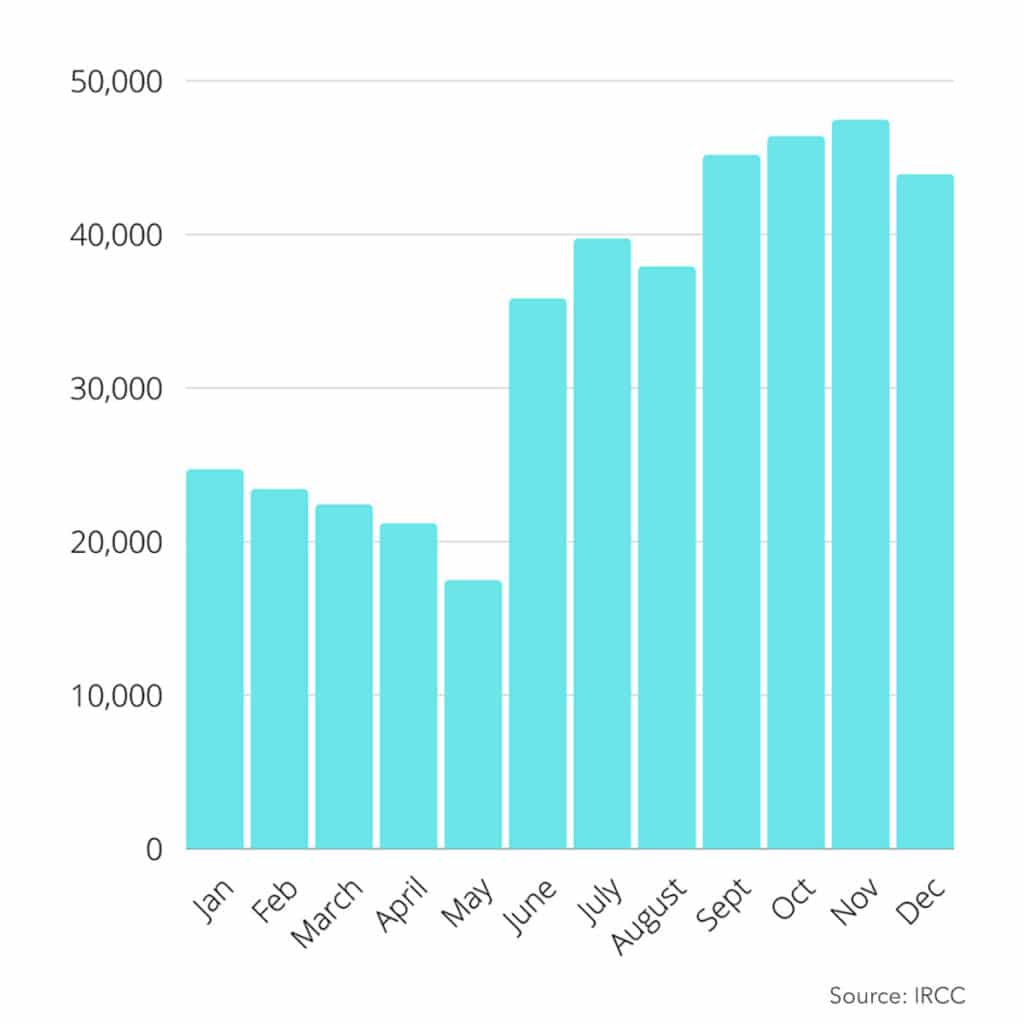
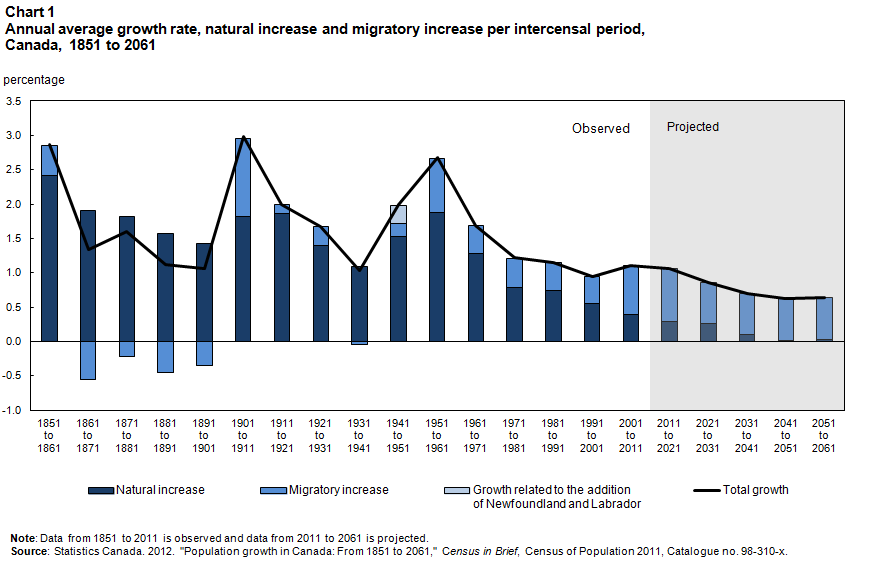
According to federal projections, Canada aims to welcome hundreds of thousands of new permanent residents each year, with a strong focus on economic immigration.
📊 Projected Permanent Resident Targets
| Year | New Permanent Residents |
|---|---|
| 2026 | ~500,000 |
| 2027 | ~510,000 |
| 2028 | ~520,000 |
These targets reflect Canada’s need to:
- Replace an aging workforce
- Support economic growth
- Address labor shortages nationwide
Priority Immigration Categories

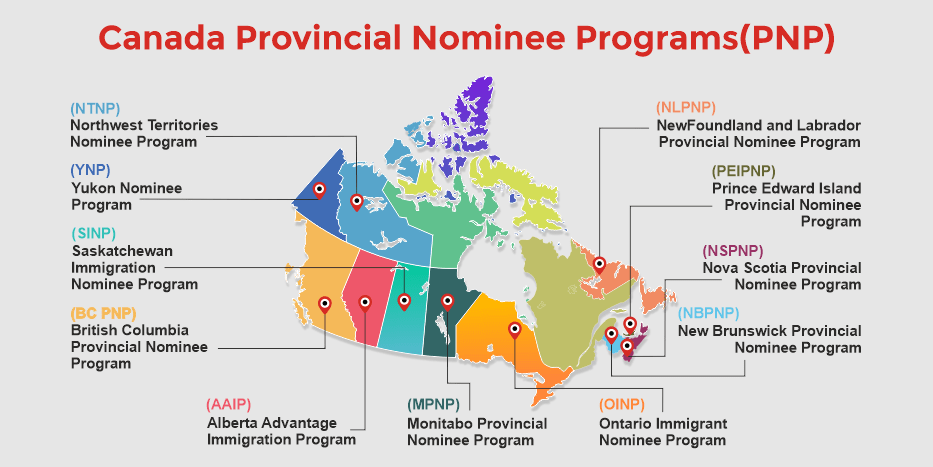

Canada’s immigration system is increasingly target-based, meaning certain applicants have higher chances of selection.
🔹 1. Economic Immigration (Largest Share)
Includes:
- Express Entry
- Provincial Nominee Programs (PNPs)
- Federal Skilled Worker & Trades programs
Priority occupations include:
- Healthcare workers
- Construction trades
- IT & technology professionals
- Transport and logistics workers
Express Entry Changes in 2026
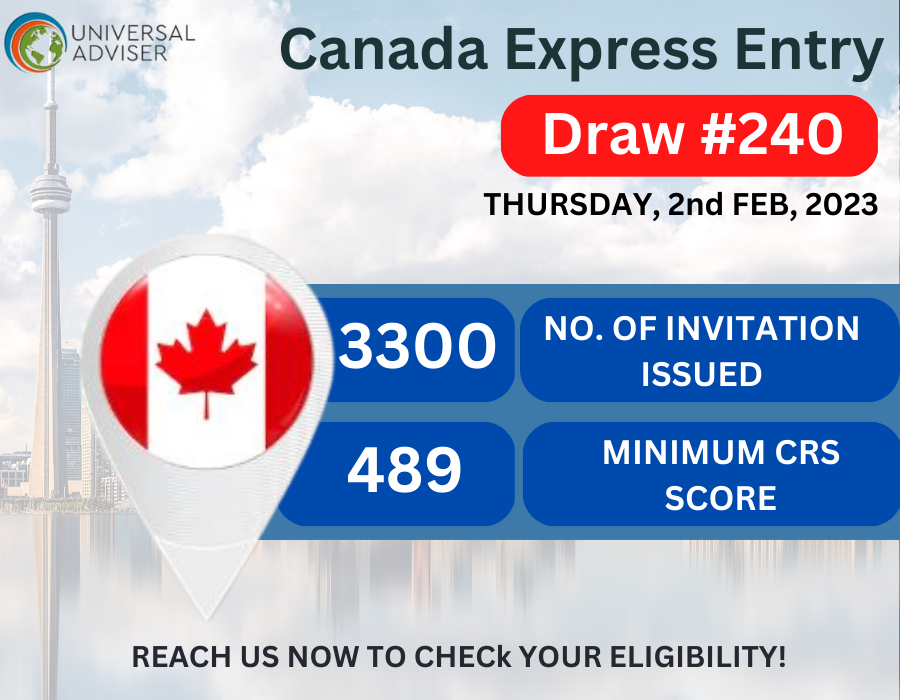
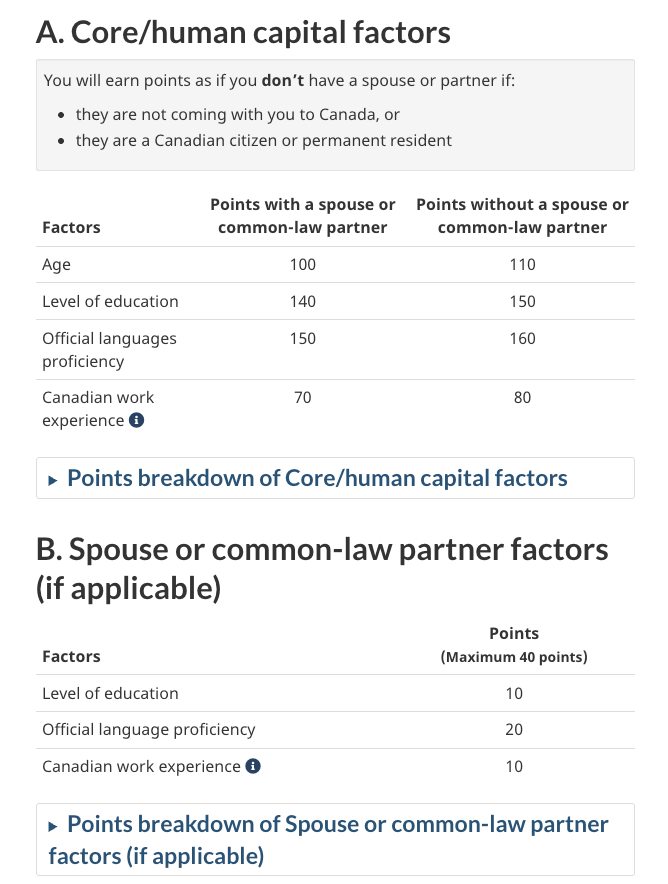
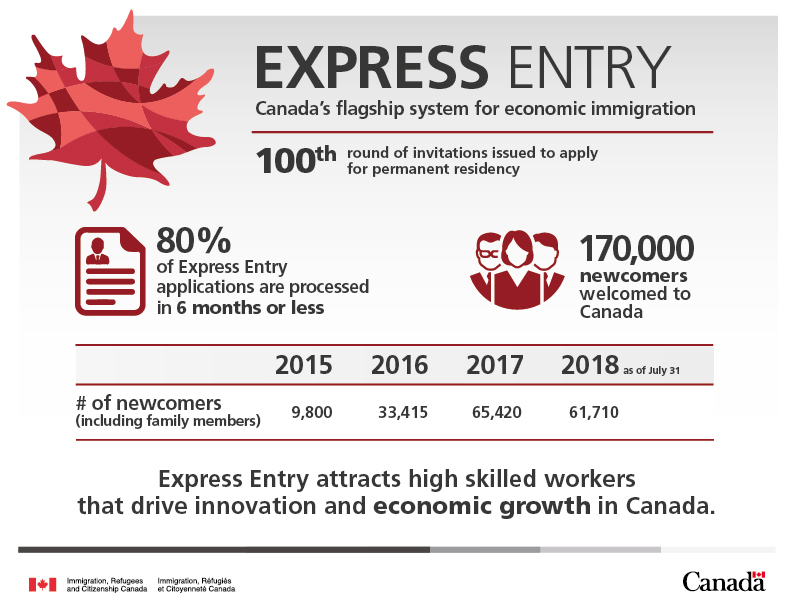
Express Entry is no longer based only on CRS scores.
🔑 Category-Based Draws
IRCC now targets candidates based on:
- Occupation
- Language ability (French speakers prioritized)
- Canadian work experience
This allows some applicants with lower CRS scores to receive invitations.
Impact on Temporary Residents in Canada



If you are currently in Canada as:
- An international student
- A work permit holder
- A PGWP holder
You may benefit from transition-to-PR pathways, especially through:
- Canadian Experience Class (CEC)
- Provincial Nominee Programs aligned with local labor needs
Housing and Immigration Concerns
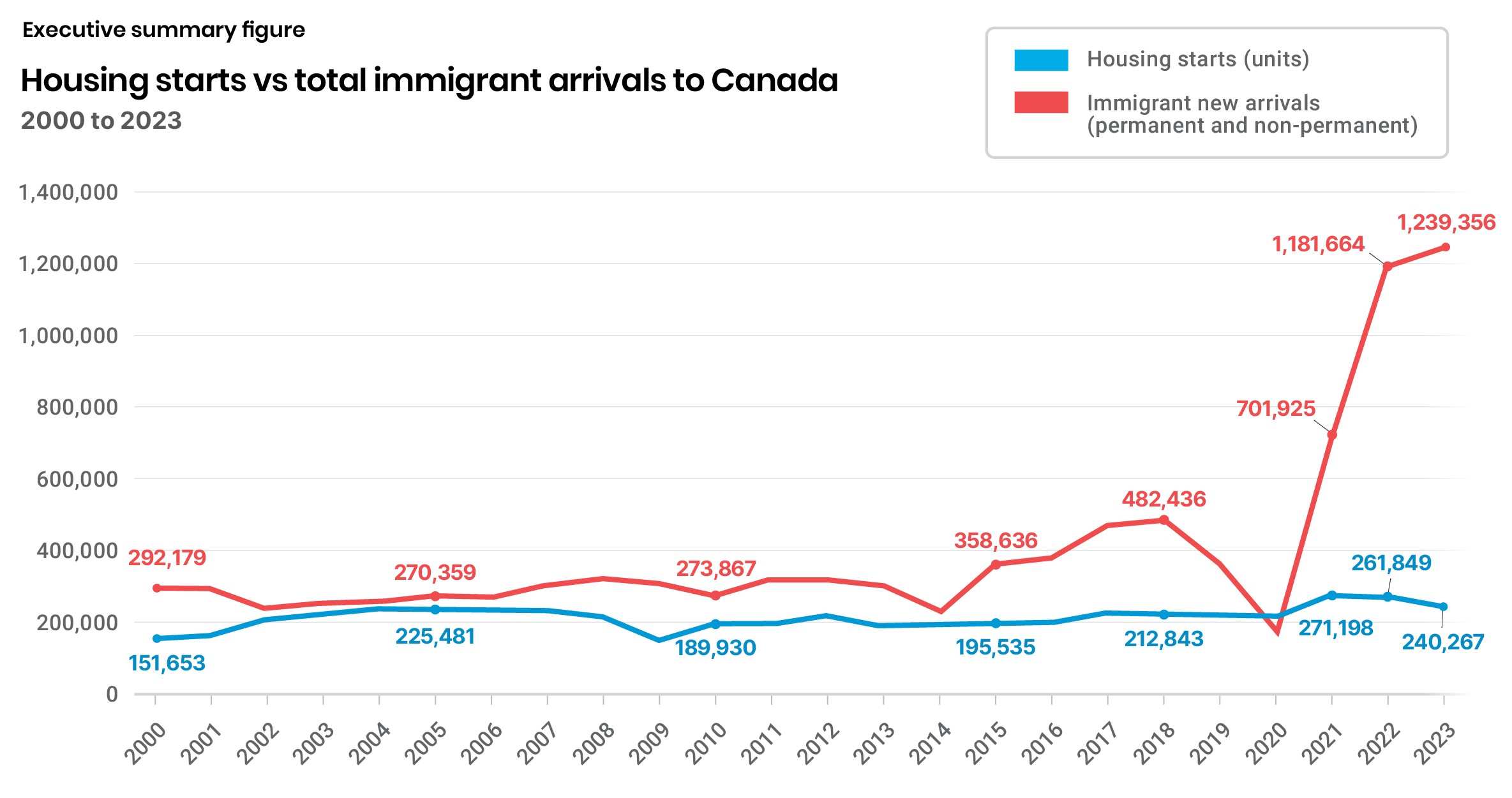


Housing availability continues to be part of the immigration discussion. Federal officials maintain that housing supply constraints—not immigration—are the primary issue, and new measures are being explored to increase housing availability across provinces.
Final Thoughts
Canada’s 2026–2028 Immigration Levels Plan confirms that immigration will remain central to the country’s future.
Applicants who:
- Plan early
- Target in-demand occupations
- Use provincial pathways strategically
will have the highest chances of success.
Canada continues to be one of the most immigration-friendly countries in the world, but preparation is more important than ever.